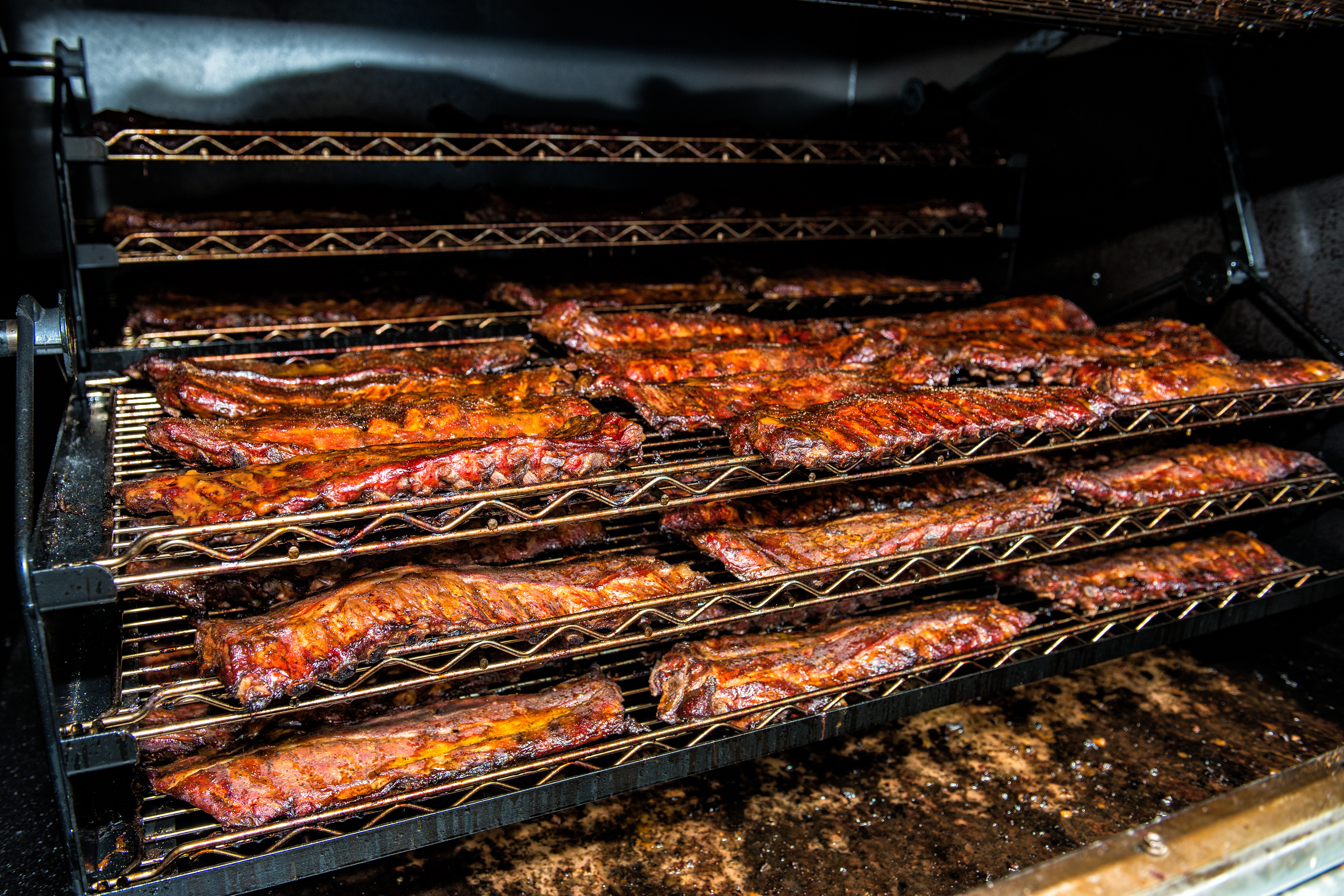
Building Better Bark: The Science of Smoke, Salt & Sugar
What Bark Actually Is
Bark is the dark, caramelized crust that forms on the surface of meat during a low-and-slow cook. It's not burned — it's a layered reaction between salt, sugar, smoke, and the proteins on the surface of the meat. When it's right, it's the best bite on the plate.
The Three Things That Build Bark
1. Salt, drawn to the surface. Salt pulls moisture out of the meat and dissolves into a surface brine. That brine is the foundation — without it, the other ingredients have nothing to stick to. Apply your rub early. At least 4 hours, ideally overnight.
2. Sugar, slowly caramelizing. Brown sugar in a rub doesn't just add sweetness — it's the binder that creates the deep mahogany color. At 225°F, sugar caramelizes slowly over hours. Go too hot and it scorches; go too low and it never sets. We built DEVOUR Pork Rub with a deliberate brown-sugar base so the bark builds itself if you manage your temperature.
3. Smoke, settling into the moisture. Smoke particles stick to wet surfaces. That's why the first few hours matter most — the surface is still moist and the smoke is laying down flavor and color. Once the surface "sets" and dries, the bark stops developing. Don't wrap too early.
The Mistake Everyone Makes
People wrap the meat the moment the color "looks good." That stops bark formation cold. Let the bark fully set — dry and firm to the touch — before you wrap in butcher paper. For brisket, that's usually around 165–170°F internal. For ribs, wait until the rub has visibly darkened and tightened.
Wood Choice Changes the Color
Oak gives a clean, reddish-brown bark. Pecan leans darker and slightly sweeter. Hickory runs dark and bold. Fruitwoods like apple and cherry give a lighter, redder bark. We smoke with oak for most catering cooks because it's consistent and forgiving. Read more about how we manage a full cook in our 14-hour brisket guide.
The TL;DR
- Salt early. Sugar in the rub. Manage your temp.
- Don't wrap until the bark is set.
- Let it rest. Always.
Want the rub that makes this easier? Get DEVOUR Pork Rub and start building better bark on your next cook. Planning an event in Sonoma County? We handle the whole cook for you — see our Santa Rosa BBQ catering page.